
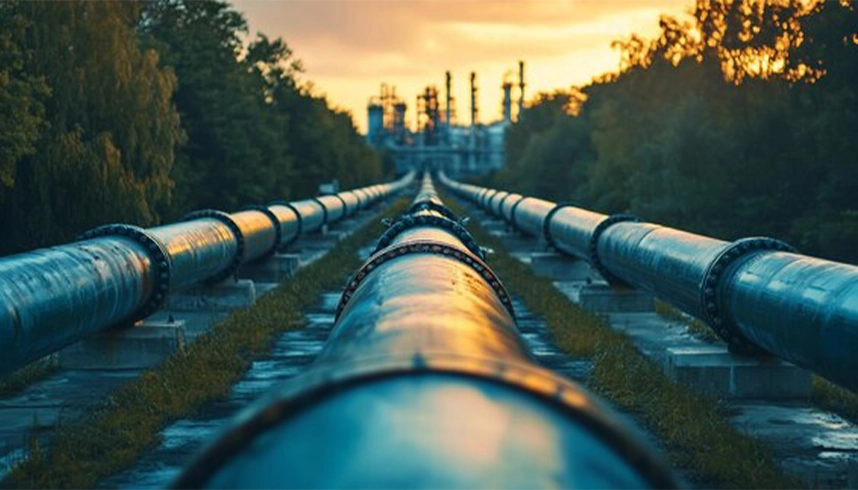
Introduction to Infrastructure & Utilities
The Infrastructure & Utilities sector is essential for supporting the functioning of modern economies. It encompasses the development, maintenance, and management of vital infrastructure systems including transportation, energy, water, telecommunications, and waste management. These systems are the backbone of urbanization, enabling societies to grow, thrive, and become more connected.
Key players in the industry, such as Siemens, General Electric, and Veolia, provide innovative solutions in energy generation, water treatment, waste management, and smart city technologies, contributing to more sustainable, efficient, and resilient infrastructure systems worldwide.
Energy Infrastructure and Utilities
Energy infrastructure is a critical component of the utilities sector. It includes power generation, transmission, distribution, and storage systems that supply electricity, gas, and renewable energy. With the global shift towards cleaner energy, utilities are increasingly investing in renewable energy sources such as wind, solar, and hydropower, alongside traditional fossil fuels.
Smart grids, which use digital technology to optimize the distribution of electricity, have become a key innovation in this sector. These grids provide real-time monitoring, improve energy efficiency, and enable demand response management. Companies like Schneider Electric and ABB provide integrated smart grid solutions that enable utilities to meet growing demand while reducing environmental impact.
Water and Wastewater Management
Water infrastructure is another vital component of the utilities sector. The treatment, distribution, and management of water are essential for public health, agriculture, and industry. Efficient water infrastructure includes modern treatment plants, pipelines, and storage systems that ensure clean water supply to urban and rural populations.
The wastewater management sector focuses on the treatment and safe disposal of wastewater, as well as the recycling of water for reuse. Technologies like membrane filtration, reverse osmosis, and biological treatment systems help reduce environmental contamination and provide cleaner water for communities.
Global leaders in water management, such as Xylem and SUEZ, are at the forefront of providing sustainable solutions that address water scarcity and improve water quality through innovative infrastructure.
Telecommunications Infrastructure
Telecommunications infrastructure is foundational to modern communication systems, supporting everything from broadband internet and mobile networks to satellite and cable services. The rapid growth in demand for data-driven services and the emergence of 5G technology has created significant opportunities and challenges in this area.
Telecom companies are investing heavily in fiber optic networks, wireless communications, and the expansion of 5G infrastructure to enable faster, more reliable communication and data transfer. Smart cities and Internet of Things (IoT) systems are also driving growth in telecommunications infrastructure, as connectivity becomes an integral part of urban planning. Companies like Ericsson and Huawei lead the way in developing next-generation telecommunications technologies.
Transportation and Mobility Infrastructure
Transportation infrastructure includes the construction and maintenance of roads, railways, ports, and airports, facilitating the movement of goods and people. Efficient transportation systems are crucial for economic development, reducing congestion, and minimizing environmental impact.
As urbanization accelerates, there is an increasing focus on sustainable transportation solutions. Electric vehicles (EVs), high-speed trains, and public transit systems are central to reducing greenhouse gas emissions and promoting energy-efficient mobility. Infrastructure for EV charging stations, autonomous vehicles, and smart traffic management systems are part of the evolution of transportation infrastructure. Companies such as IKEA and Volvo are leading initiatives to support sustainable transportation solutions.
Waste Management and Recycling
Waste management infrastructure involves the collection, transportation, processing, recycling, and disposal of solid waste and hazardous materials. Efficient waste management is essential for environmental protection, reducing pollution, and conserving natural resources.
The circular economy, which emphasizes reusing, recycling, and reducing waste, is driving innovations in waste management. Advanced recycling technologies, such as waste-to-energy plants, biogas production, and plastics recycling, help reduce the environmental footprint of urban areas. Companies like Veolia and Renewable Energy World are advancing technologies that convert waste into valuable resources.
Sustainability and Resilience in Infrastructure
Sustainability and resilience are central goals in infrastructure development. As climate change accelerates, there is a growing need to design infrastructure systems that are both energy-efficient and adaptable to extreme weather events. Green building techniques, renewable energy integration, and water conservation measures are now standard in the construction of new infrastructure projects.
Smart cities are integrating sustainable urban planning with IoT devices, renewable energy solutions, and energy-efficient buildings. These cities utilize real-time data to optimize resource use, reduce energy consumption, and improve residents’ quality of life. Companies such as Smart Cities World and Dell Technologies are leading the way in creating smart and sustainable urban spaces.
Challenges and Future Outlook
The Infrastructure & Utilities sector faces several challenges, including aging infrastructure, increasing urbanization, and the demand for sustainability. Moreover, the sector must adapt to evolving regulations, technological disruptions, and global climate change concerns.
The future of the sector lies in the integration of smart technologies, the adoption of renewable energy, and the development of resilient infrastructure systems that can withstand environmental stresses. Investment in digital technologies such as AI, IoT, and big data analytics will play a crucial role in shaping the future of infrastructure and utilities.
Internal & External Links
For related industrial solutions, visit our Water Treatment page and Power Generation page. External resources include the American Society of Heating, Refrigerating, and Air-Conditioning Engineers (ASHRAE) for standards in building and infrastructure systems and World Resources Institute for insights on sustainable infrastructure development
Industry Overview
Applications & Use Cases
Engineering Consultancy
Support for infrastructure and utility projects.
Safety & Compliance
Implement HSE standards and compliance solutions.
Modernizing City Utilities
Implemented integrated solutions for energy, water, and transport utilities, improving efficiency by 20%.
Key Results:
- 20% increased efficiency
- Enhanced compliance and safety
Need a Custom Solution?
Our experts are ready to design the perfect solution for your Infrastructure & Utilities operations.
Get in Touch