
Introduction to Mining & Metals Industry
The Mining & Metals industry is a vital sector that provides essential raw materials for a wide range of industries, from construction and automotive to electronics and energy. The extraction of metals like gold, copper, iron, and aluminum, as well as non-metallic minerals, supports economic development and technological innovation. The industry is complex, encompassing exploration, extraction, processing, and refining, with significant environmental and regulatory challenges.
Global leaders in the mining and metals sector, including BHP, Anglo American, and Rio Tinto, employ cutting-edge technologies and sustainable practices to optimize production, reduce environmental impact, and ensure the efficient use of resources.
Exploration and Extraction
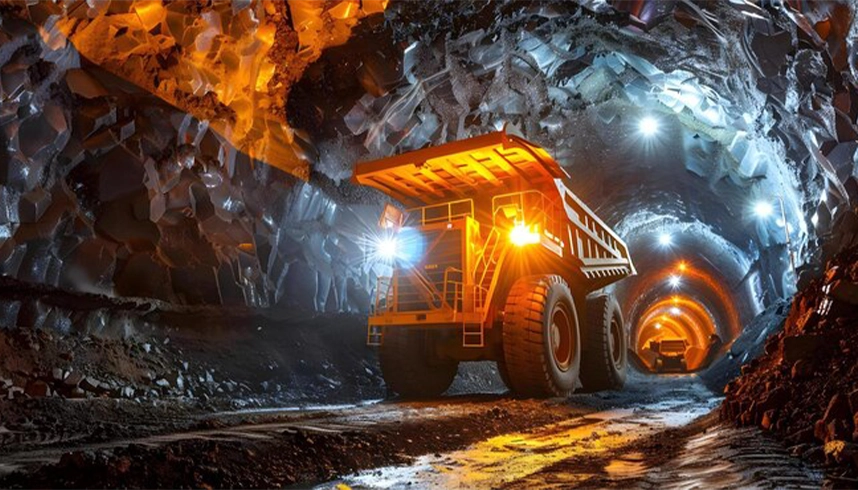
Mining begins with exploration, where geologists identify and assess the viability of mineral deposits. Advances in geophysical surveys, satellite imaging, and geological modeling have enhanced exploration efficiency and accuracy. Once a viable deposit is found, extraction methods such as open-pit mining, underground mining, and placer mining are employed based on the mineral’s location and depth.
Technological innovations like autonomous drilling, automated haulage systems, and real-time data collection improve safety, efficiency, and reduce labor costs. Companies like Caterpillar and Johnson Controls offer equipment and automation solutions for mining operations.
Processing and Refining
After extraction, minerals undergo various processing methods to remove impurities and produce valuable metals. For instance, in copper mining, ore is processed through flotation, smelting, and refining to produce copper cathodes. In aluminum production, bauxite is refined into alumina before being smelted into aluminum.
Metallurgical technologies such as electrolysis, hydrometallurgy, and pyrometallurgy play a crucial role in refining metals to the required purity. Companies like Vale and Tata Steel integrate innovative refining methods to improve efficiency and reduce energy consumption.
Environmental Impact and Sustainability
The mining and metals sector faces significant environmental challenges, including habitat destruction, water pollution, and carbon emissions. As a result, there is increasing pressure to adopt sustainable practices and reduce the environmental footprint of operations.
Many companies in the sector are investing in technologies to reduce water consumption, recycle tailings, and lower greenhouse gas emissions. Carbon capture and storage (CCS) and renewable energy integration are helping minimize the industry’s impact on the environment. For example, Anglo American has committed to reducing its carbon emissions and transitioning to clean energy sources.
Automation and Digitalization in Mining
Automation and digital technologies are revolutionizing mining operations. Autonomous vehicles, drones, and robotics are increasingly used for exploration, drilling, and hauling, improving safety and reducing operational costs. Real-time data collection and AI-driven analytics optimize resource management and streamline supply chains.
The adoption of the Internet of Things (IoT) in mining equipment enables predictive maintenance, reducing downtime and extending the life of machinery. Companies like Rockwell Automation and Hexagon offer solutions to enhance efficiency and safety in mining operations.
Metals Recycling and Circular Economy
The growing demand for metals and the depletion of natural resources have increased the importance of metals recycling. Recycling helps reduce environmental impact, conserve resources, and lower costs. Commonly recycled metals include aluminum, steel, copper, and lead.
The circular economy concept encourages the reuse and recycling of materials to minimize waste and reduce reliance on virgin raw materials. Companies such as Novelis and ArcelorMittal are leading the way in recycling initiatives to make metal production more sustainable and reduce energy consumption.
Regulations and Safety Standards
The mining and metals industry is highly regulated, with strict safety and environmental standards to protect workers and the environment. Government agencies, such as the U.S. Occupational Safety and Health Administration (OSHA) and the Mine Safety and Health Administration (MSHA), set standards for worker safety and hazardous materials handling.
The industry also faces pressure to adhere to environmental regulations such as water and air quality standards. Compliance with these regulations is essential to maintaining operational licenses and avoiding costly fines.
Future Trends and Outlook
The mining and metals industry is poised for significant transformation driven by technological advancements, sustainable practices, and changing market demands. Key trends shaping the future include:
Increased automation and digitalization to improve safety and efficiency.
Integration of renewable energy sources into mining operations.
Enhanced recycling and circular economy practices to reduce reliance on primary materials.
Advances in green mining technologies to reduce environmental impact.
As the world continues to evolve, mining companies that embrace innovation, sustainability, and efficiency will thrive in the next generation of the industry.
Internal & External Links
For related insights, visit our Manufacturing page and Petrochemical & Refining page. External references include International Council on Mining and Metals (ICMM) for industry best practices and Mining.com for the latest news and trends in mining.
Industry Overview
Applications & Use Cases
Ore Processing
Optimized chemical and automation solutions for metal extraction.
Material Handling
Improved transport and storage efficiency.
Efficient Mining Operations
Deployed integrated systems that increased throughput and reduced downtime by 15%.
Key Results:
- 15% increased throughput
- Reduced downtime
Need a Custom Solution?
Our experts are ready to design the perfect solution for your Mining & Metals operations.
Get in Touch