
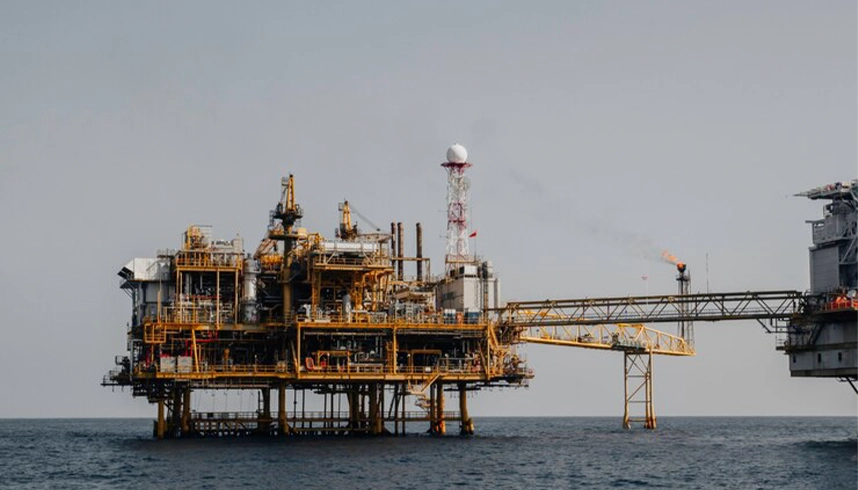
Overview of the Oil & Gas Industry
The Oil & Gas sector is one of the most critical industries globally, providing the primary source of energy for transportation, electricity generation, and industrial processes. From upstream exploration to downstream refining, every stage of the oil and gas value chain is complex and requires advanced technology, skilled workforce, and strict regulatory compliance. Companies operating in this industry must navigate volatile commodity prices, environmental regulations, and geopolitical risks while maintaining operational efficiency.
The upstream segment involves exploration, drilling, and production of crude oil and natural gas. Advanced seismic technologies and data analytics play a pivotal role in identifying hydrocarbon reserves and optimizing extraction. Companies like Schlumberger and Halliburton provide cutting-edge solutions for these operations.
Midstream and Transportation
Once extracted, oil and gas products need to be transported to processing facilities and end markets. The midstream segment covers pipelines, storage terminals, and shipping logistics. Efficient transport ensures the safety and reliability of energy supply. International pipelines, such as the Trans-Alaska Pipeline, demonstrate the scale and technical challenges of moving hydrocarbons over long distances.
Companies are increasingly investing in digital monitoring systems to detect leaks, optimize flows, and reduce environmental impact. Integration of IoT devices and predictive maintenance reduces operational risks and enhances reliability across midstream assets.
Downstream and Refining Operations
The downstream sector focuses on refining crude oil into usable products, including gasoline, diesel, jet fuel, and petrochemicals. Refineries employ advanced chemical processes, such as catalytic cracking, hydrocracking, and desulfurization, to meet stringent quality standards. Leading refineries, such as ExxonMobil and Shell, emphasize sustainability by incorporating energy efficiency measures, emission control systems, and waste management practices.
The downstream industry is increasingly linked to petrochemicals, where refined hydrocarbons are transformed into plastics, fertilizers, synthetic fibers, and other essential materials. Companies are exploring bio-based alternatives and recycling technologies to reduce carbon footprints.
Technological Innovations in Oil & Gas
Digital transformation is reshaping the oil and gas industry. Artificial intelligence (AI) and machine learning optimize reservoir management, production planning, and predictive maintenance. Robotics and automation enhance safety in hazardous environments, reducing human exposure to risk. For example, unmanned aerial vehicles (UAVs) are employed for pipeline inspection, while AI-driven predictive models forecast equipment failures to prevent downtime.
Blockchain technology is also gaining traction for supply chain transparency, ensuring that oil and gas transactions are secure, traceable, and compliant with regulations. IBM Blockchain and SAP solutions are being adopted to improve efficiency and reduce fraud in commodity trading and transportation.
Environmental and Sustainability Considerations
Sustainability is a critical challenge for the oil and gas sector. Companies face growing pressure to reduce greenhouse gas emissions, manage water usage, and prevent oil spills. Carbon capture and storage (CCS) technologies, renewable energy integration, and enhanced oil recovery (EOR) methods help balance operational efficiency with environmental responsibility.
Oil majors are increasingly reporting their environmental, social, and governance (ESG) performance. This includes investments in low-carbon energy sources, emission reduction targets, and community engagement programs. Industry partnerships and initiatives, such as the Oil and Gas Climate Initiative (OGCI), support global climate goals while maintaining energy security.
Challenges and Future Outlook
The oil and gas industry faces a rapidly evolving landscape. Fluctuating oil prices, geopolitical tensions, and the global energy transition create uncertainty and demand agile business strategies. Companies must invest in innovation, digitalization, and sustainability to remain competitive.
Emerging trends include hydrogen energy, biofuels, and electrification of transport, which may reduce reliance on traditional fossil fuels. Yet, oil and gas will continue to play a vital role in global energy supply for decades. Organizations that embrace technology, enhance operational efficiency, and prioritize environmental responsibility are likely to thrive in the future energy market.
Internal & External Links
For further reading on industrial solutions, see our Manufacturing page and Petrochemical & Refining page. External resources include U.S. Energy Information Administration for market statistics and International Energy Agency for industry insights.
Industry Overview
Applications & Use Cases
Pipeline Corrosion Protection
Prevent corrosion and extend pipeline life using chemical inhibitors.
Gas Processing Optimization
Enhance separation and treatment processes for natural gas.
Optimizing Offshore Oil Operations
A comprehensive solution for offshore platforms that improved throughput by 15% and reduced downtime.
Key Results:
- 15% increase in production
- Downtime reduced by 20%
Need a Custom Solution?
Our experts are ready to design the perfect solution for your Oil & Gas operations.
Get in Touch