
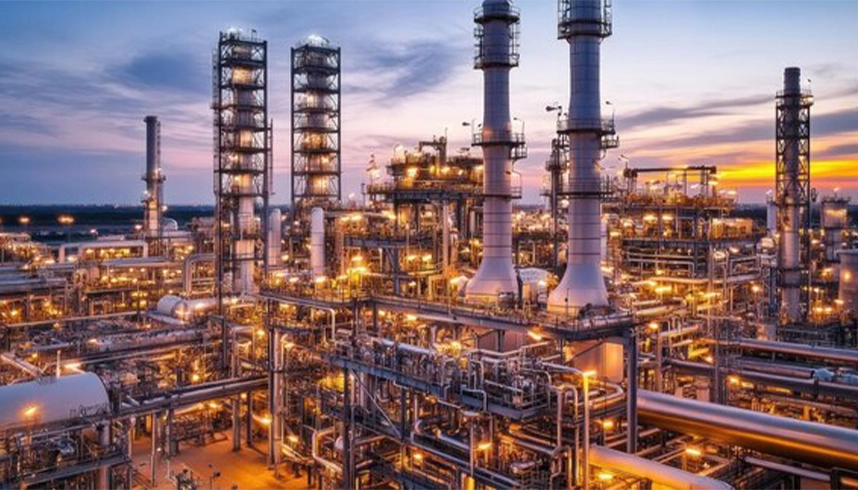
Introduction to Petrochemical & Refining
The petrochemical and refining industry is a cornerstone of modern manufacturing and energy production, transforming crude oil and natural gas into essential chemicals, fuels, and materials. This sector bridges the gap between upstream oil & gas production and downstream consumer products. With the growing global demand for plastics, fertilizers, synthetic fibers, and specialty chemicals, petrochemical and refining operations are under increasing pressure to innovate, improve efficiency, and maintain environmental compliance.
Leading companies, such as Shell, ExxonMobil, and Chevron, operate refineries and chemical plants worldwide, implementing advanced technologies to maximize output and reduce costs.
Refining Processes and Technologies
Refineries employ a variety of chemical processes to convert crude oil into high-value products. Distillation separates crude into different fractions, while catalytic cracking, hydrocracking, and reforming break down heavier hydrocarbons into lighter fuels. Desulfurization and hydrogen treatment improve fuel quality and meet stringent environmental standards.
Modern refineries integrate digital solutions such as AI-driven process optimization, predictive maintenance, and real-time monitoring to reduce operational downtime and increase efficiency. For example, AVEVA and Honeywell Process Solutions provide software that enables predictive analytics and process simulation.
Petrochemical Production
The petrochemical industry produces chemicals that serve as raw materials for numerous sectors. Key products include ethylene, propylene, butadiene, methanol, and ammonia, which are transformed into plastics, synthetic fibers, rubbers, and fertilizers. Advanced polymerization and chemical synthesis techniques ensure high-quality output for downstream industries such as automotive, packaging, construction, and agriculture.
Sustainability trends are influencing the sector, with companies investing in bio-based feedstocks, recycling technologies, and circular economy initiatives. Partnerships with research institutions and technology providers, such as BASF and SABIC, drive innovation and the development of eco-friendly materials.
Energy Integration and Efficiency
Petrochemical plants are energy-intensive, requiring significant heat, power, and water. Energy integration strategies, including combined heat and power (CHP) systems, waste heat recovery, and energy-efficient equipment, are critical for reducing operational costs and environmental footprint.
The adoption of process automation and digital twins allows operators to model plant operations, simulate performance, and identify efficiency improvements. Companies such as Schneider Electric and Siemens provide solutions for real-time monitoring and control of complex petrochemical processes.
Environmental and Regulatory Considerations
Regulatory compliance and environmental protection are major challenges in petrochemical and refining operations. Emissions control, wastewater treatment, and proper disposal of by-products are essential for meeting local and international standards.
Carbon capture and utilization (CCU) and advanced wastewater treatment technologies are being implemented to mitigate environmental impacts. Organizations also report on environmental, social, and governance (ESG) initiatives, reflecting growing pressure from investors, regulators, and the public. The International Energy Agency provides insights and best practices for sustainable operations in the petrochemical sector.
Innovation and Future Trends
The industry is undergoing transformation driven by technology and sustainability. Key trends include:
Development of bio-based and recycled polymers to reduce dependency on fossil fuels.
Digitalization through AI, machine learning, and predictive analytics for operational optimization.
Integration of renewable energy sources into chemical plants.
Collaboration across industries to foster circular economy solutions.
Companies that proactively adopt these innovations are better positioned to navigate fluctuating raw material prices, global demand shifts, and stringent environmental regulations.
Challenges and Opportunities
Petrochemical and refining operators face several challenges, including volatile feedstock prices, geopolitical tensions, and evolving consumer demand. Risk management, cost optimization, and innovation are essential to remain competitive.
At the same time, opportunities arise from the growing demand for advanced materials, specialty chemicals, and sustainable solutions. Investments in digital tools, energy efficiency, and green chemistry can enhance profitability while meeting environmental and social responsibilities.
Internal & External Links
For related content, visit our Oil & Gas page and Manufacturing page. External references include UOP LLC for refining technology and ICIS for market analysis.
Industry Overview
Applications & Use Cases
Refinery Process Optimization
Improve yield and efficiency of chemical refining processes.
Chemical Blending Solutions
Custom chemical blends for production quality improvement.
Improving Petrochemical Yield
Implemented advanced control systems that increased petrochemical output by 12%.
Key Results:
- 12% increase in yield
- Reduced waste by 10%
Need a Custom Solution?
Our experts are ready to design the perfect solution for your Petrochemical & Refining operations.
Get in Touch