
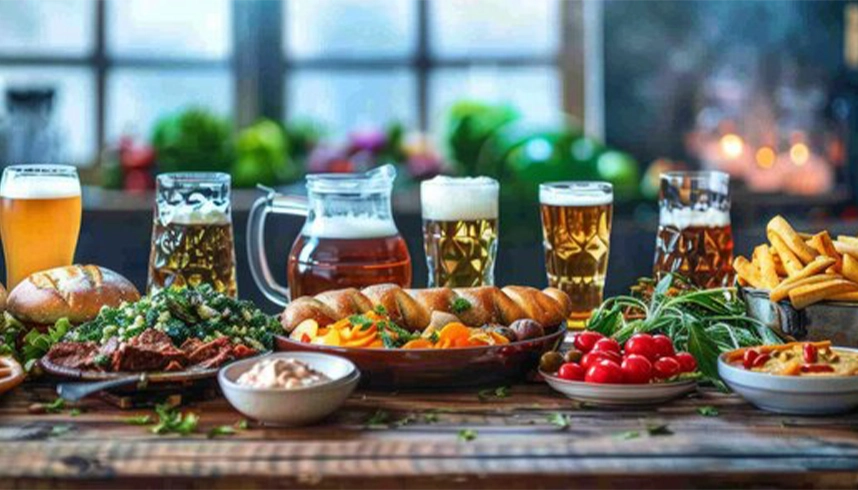
Introduction to the Food & Beverage Industry
The Food & Beverage (F&B) industry is a dynamic and rapidly evolving sector that plays a crucial role in global nutrition, health, and economic growth. It encompasses a wide range of activities including food processing, packaging, distribution, and retail. With increasing consumer demand for safe, high-quality, and sustainable products, companies in this sector must focus on innovation, quality control, and compliance with food safety regulations.
Leading global companies such as Nestlé, PepsiCo, and Coca-Cola are continuously investing in technology, research, and sustainable practices to meet evolving market needs and maintain brand trust.
Food Processing and Manufacturing
Food processing is at the core of the F&B industry, transforming raw materials into edible products through physical, chemical, and biological processes. This includes baking, brewing, freezing, canning, and fermentation. Advanced automation, robotics, and digital monitoring systems enhance efficiency, reduce waste, and ensure consistent product quality.
Companies such as GEA Group and Tetra Pak provide machinery and process solutions that streamline production, improve hygiene, and ensure compliance with international standards.
Packaging and Distribution
Packaging is a critical component of the F&B supply chain. It preserves freshness, ensures food safety, and provides information to consumers. Innovations in sustainable and smart packaging, such as biodegradable materials and RFID-enabled tracking, are transforming the industry.
Distribution networks require careful management to maintain product quality from manufacturing to retail. Cold chain logistics, real-time monitoring, and efficient inventory management are essential for perishable goods. Companies like DHL Supply Chain and FedEx offer specialized solutions for the safe and efficient transportation of food and beverage products.
Food Safety and Quality Control
Food safety is paramount in the F&B industry. Regulations from organizations like the U.S. Food and Drug Administration (FDA) and European Food Safety Authority (EFSA) set strict standards for hygiene, labeling, and traceability.
Quality control measures include hazard analysis and critical control points (HACCP), microbial testing, and chemical analysis to prevent contamination. Advanced technologies such as AI-driven inspection systems, machine vision, and IoT sensors enhance monitoring and reduce risks, ensuring compliance and consumer confidence.
Sustainability and Environmental Responsibility
Sustainability is increasingly important in the F&B sector. Companies are reducing water and energy consumption, minimizing food waste, and sourcing raw materials responsibly. Corporate initiatives include sustainable agriculture, carbon footprint reduction, and circular economy strategies.
Consumer demand for organic, plant-based, and ethically sourced products drives innovation in sustainable ingredients and production methods. Organizations such as World Food Programme and Food and Agriculture Organization provide guidance and global standards for sustainable practices in the food industry.
Technological Innovations
Digital transformation is reshaping the F&B industry. Automation, AI, blockchain, and data analytics improve supply chain transparency, traceability, and efficiency. Blockchain technology, for instance, enables tracking of products from farm to fork, ensuring authenticity and safety.
Robotics and automated machinery enhance productivity and reduce human error in production lines. Smart sensors monitor storage conditions, quality parameters, and production metrics, allowing real-time adjustments. Companies like IBM Blockchain and FoodLogiQ offer solutions to increase visibility and traceability across the food supply chain.
Challenges and Future Outlook
The F&B industry faces challenges including supply chain disruptions, climate change, evolving consumer preferences, and regulatory compliance. Companies must adopt agile strategies, invest in innovation, and prioritize sustainability to remain competitive.
Emerging trends include plant-based and alternative proteins, functional foods, personalized nutrition, and sustainable packaging solutions. Companies that integrate technology, maintain high-quality standards, and embrace environmentally responsible practices will thrive in the increasingly competitive global market.
Internal & External Links
For related insights, visit our Water Treatment page and Manufacturing page. External resources include Food Marketing Institute and International Food Policy Research Institute for industry trends and research.
Industry Overview
Applications & Use Cases
Sanitation Solutions
Ensure safe and hygienic production.
Process Optimization
Improve consistency and efficiency in production lines.
Optimizing Beverage Production
Improved line efficiency by 12% and reduced waste through process chemicals.
Key Results:
- 12% higher efficiency
- Reduced waste by 10%
Need a Custom Solution?
Our experts are ready to design the perfect solution for your Food & Beverage operations.
Get in Touch